I would like to express my great thanks to those, who supported the study and the trip.
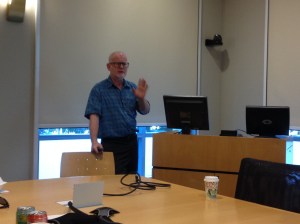
Within the faculty and division of sports science at Innsbruck I would like to especially thank vice dean Inge Werner and my mentor Martin Burtscher for making the excursion and master course possible. Of course a big thank has to been expressed to the chairman of the Division of Cardiologic Research at UH in Honolulu, Ralph Sohet, for putting up a symposium, which also helped to make the excursion a master course with presentations for the students and adding extrem more educational value. A big “thank you” also to his boss, dean Jerris Hedges, who gave his ok and made all possible.
Thank has of course to be expressed to our sponsors, Blue Sub Rosenheim supported us with a value of 250€ and Blue Wilderness in Waikoloa with an equal reduction in rental fee.
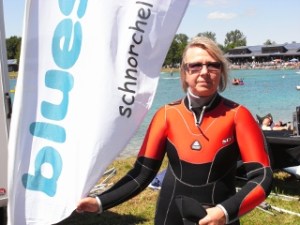
Students were impressed by Blue Sub and it’s owner Marianne, with her authority on scuba gear, diving dicipline and cold water diving.
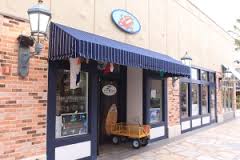
Dave and Denise and their team from Blue Wilderneess, located at Waikoloa’s Queens Market, are always helpful and try to fulfill even difficult customer needs. The often sublime arrogance, with which some Pro’s treat recreational divers in other dive shops, is a no go at Blue Wilderness. I was absolutely happy, when Blue Wilderness opened in Waikoloa, making it easy and relaxed to return dive tanks after dives at Kohala’s beautiful coasts. Their 25 tank card makes it easy at a great price for the avid diver to use great shore dive days with low swell or do a different activity on a day, when diving would be somewhat turning up and down your stomach (what is rare in December).
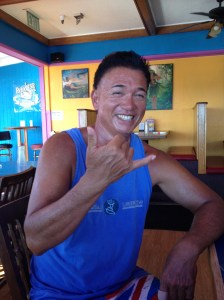
Finally George Kaimana, native and at least a quarter real Hawaian descent, showed us what real Hawaian hospitality means. George took the students and my folks stand up paddeling (if one becomes tired it should be renamed knee or sit paddeling) serveral times and showed us the Spinner Dolphins, Manta Rays and Whales near Kona harbour pier. It was great. We also have to thank George for gratious gifts, like coffee from his own coffee plantation and lunch invitations. George Kaimana grew up on a coffee plantation, but then took coffee farming to a academic level after visting college in Hawaii and courses at Cornel University’s Hawaian Educational program. He now manages coffee plantations not only in Hawaii but also in many other areas of the world. For this job he doesn’t have to travel much. Modern communication makes it possible to advise submanagers at other plantations to follow George’s advice via Skype or email accompanied by pictures and videos. If these activities aren’ t filling his day, George works as life guard on Kona and Kohala beaches and he bodygards VIP’s. He can’t talk about his customers but gave us a hint that two German supermodels were among them. Well, I only know two and so I am guessing that Claudia and Heidi made it to Big Island meanwhile.
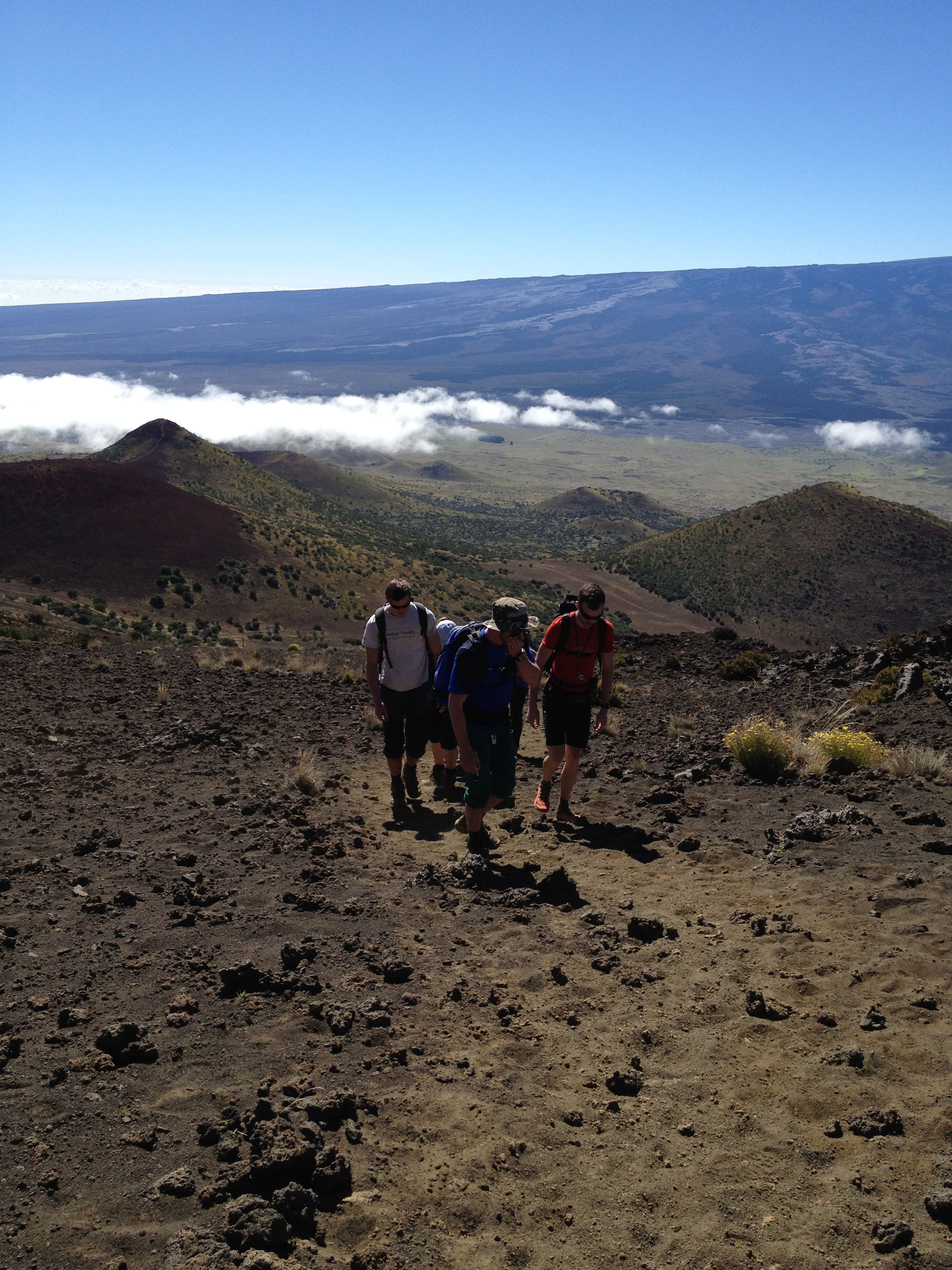
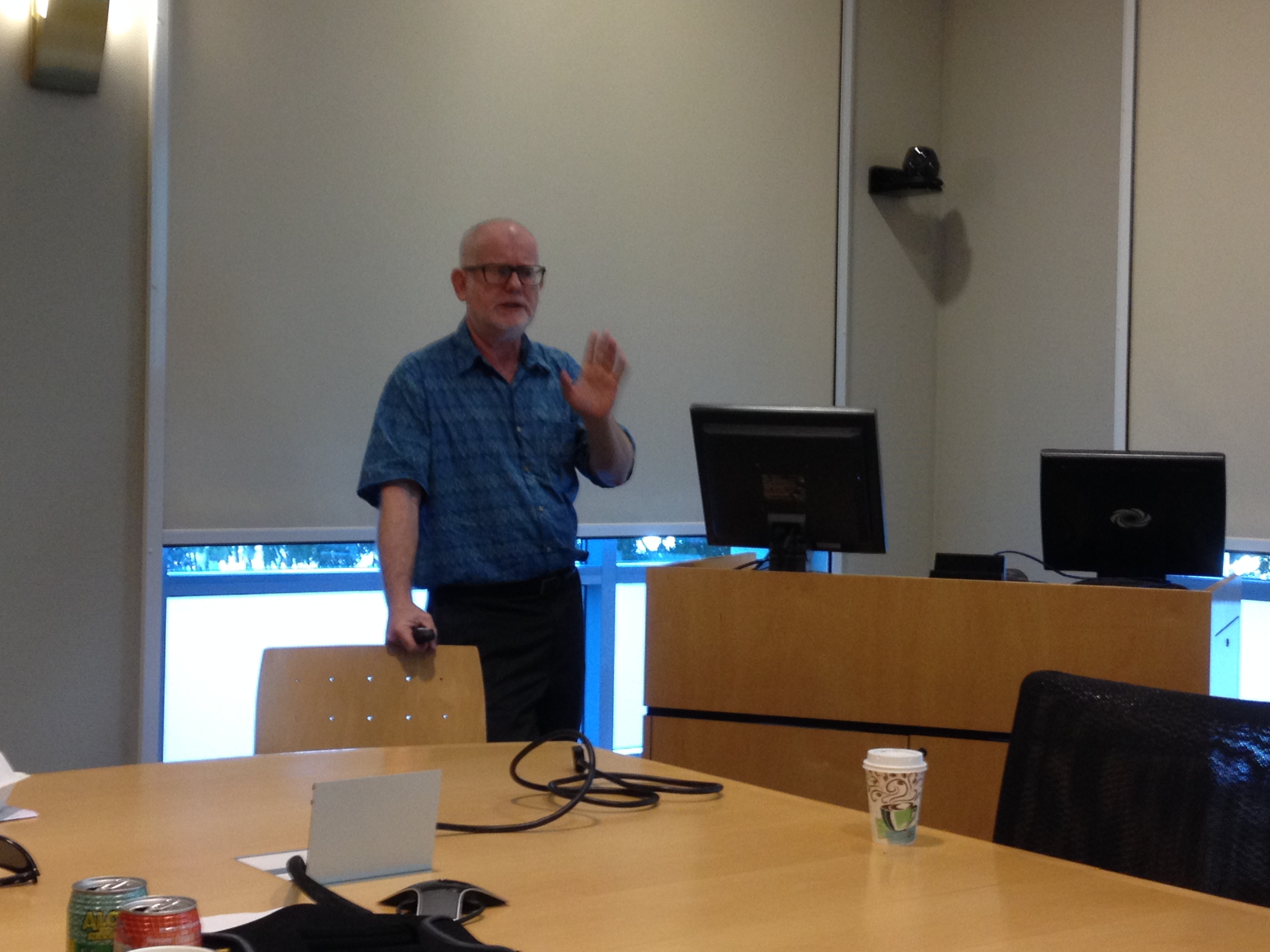
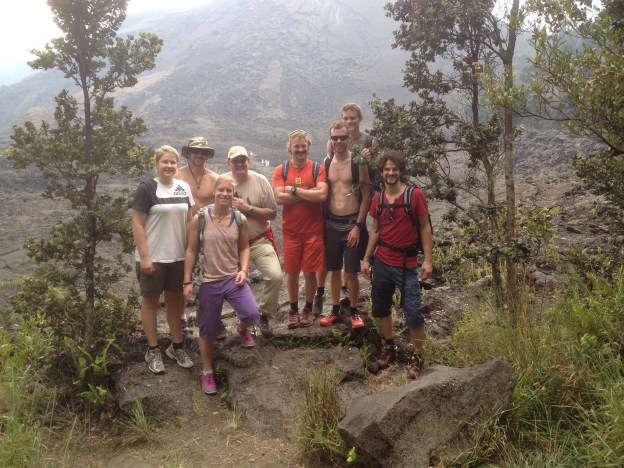
Pictures: Prof. Ralph Sohet, Marianne from Blue Sub, Blue Wilderness Store at Waikoloa, George Kaimana
 HYPOXIA RESEARCH