Category Archives: Uncategorized

Expedition to Peak Lenin (7134m) – A Scientific Advice

Two mountaineers from the Basque Country contacted our institute when preparing for an expedition to the highest mountain of the Trans-Alai range in the Northern Pamir mountain region.  Peak Lenin (7134m) borders Kirgizstan in the north and Tadzhikistan in the south. In 1928, the top of Peak Lenin was reached for the first time. Nowadays, it is a popular 7000-meter peak.
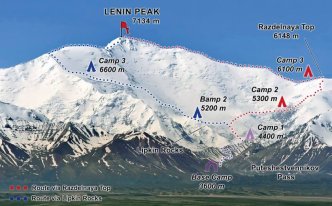
Lenin Peak map IIIThe twin brothers Aitzol and Axier Jaka (35), two passionate mountaineers, are aiming for the top of Peak Lenin the beginning of July via the Razdelnaya Top Route. It is their first attempt to climb a 7000-meter peak. They started preparing by evaluating personal previous high-altitude experiences. During a previous climb to Mount Elbrus (5610m), they observed individual problems with hypoxia. Although they stuck to common acclimatization procedure by climbing a 4000m peak beforehand, hypoxia caused difficulties during the summit attack day. In their opinion, the last sleeping altitude at 3750m was too low and caused a descent at an altitude of 5300m on summit attack day. They were able to reach the summit not before the following day.

„…instead, the next day, with really bad weather, windy and stormy, we could arrive the summit, because of the additional day of acclimatization.“ (Aitzol Jaka)

They draw following conclusions from this experience:

„our acclimatization process is slower than other people: we need more time to acclimatize than common people“

„we need ascend and sleep as high as possible to acclimate“ (Aitzol Jaka)

The evaluation of personal high-altitude experiences is the first important step when preparing further summit attempts, because acclimatization is a difficult process depending on many individual factors. There are no distinct scientific statements regarding acclimatization processes, which can be applied for every mountaineer. Scientific insights are mainly based on the collection of individual experience (F. Berghold, 2015, in Alpin- und Höhenmedizin).

Just as the two mountaineers assumed correctly, sleeping altitude is substantial for a successful summit ascent. The distances between sleeping altitudes define an acclimatization plan. For every single mountaineer, an individual “critical altitude” exists. After reaching critical altitude, several nights should be spent at this height, before further ascending. In order to avoid symptoms of acute mountain sickness (AMS), the daily sleeping heights above critical altitude should not differ for more than 400 meters. Since this is not applicable for many summit ascents (also the one of Aitzol and Axier) due to several reasons (including logistics), the number of nights spent at following altitudes defines a good acclimatization.

Principally, sleeping altitude should be as low as possible in order to provide optimal physiological regeneration. In return, the highest reached altitude per day can reach more than 1000 meters. The opportunity to descent to lower regions should always be given, especially after asking yourself questions like: do I suffer from headache or nausea after spending the night at altitude?

Aitzol reports from a further previous altitude experience:

„When I was in Ecuador, sleeping in refuges at 4700m – 5000m, I constantly woke up during nights. I couldn’t breath, it was a similar feeling to anxiety attack, but I wasn’t nervous and the next morning I was „well“ and I could climb without heavy headache…is it normal?“

With increasing altitude, subjective and objective sleep quality decrease in a linear matter. Studies show, that above 4000 meters, the prevalence of nightly arousals significantly increases. The partially unconscious arousals caused by a lack of oxygen saturation can last between a couple of seconds up to several minutes. The brain receives a signal of low oxygen saturation levels in the cells, which leads to accelerated heart rate and increased breathing rhythm (Pramsohler et al., 2019).

However, there are additional factors which influence sleep at altitude, such as position of upper body during sleep, cold inspiration air, digestion problems or pain. Daily activity also contributes to sleep quality. If an ascent on the previous day leads to severe exhaustion, increased adrenalin and cortisol levels can cause sleep loss, because they degenerate very slowly.
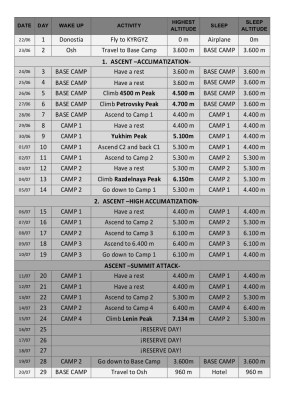
LENIN PEAK 7.134m ACCLIMATIZATION PLANBased on their experiences, Aitzol and Axier developed an acclimatization plan for Peak Lenin (picture). For them, the critical part of the expedition will supposedly start at Camp 2 (5300m), because of a quite big altitude difference between Camp 2 (5300m) and Camp 3 (6100m).

Aitzol and Axier prepared the expedition with utmost care, they are well-trained and in good physical shape. Therefore, I’m confident, that the expedition will be a success. With a bit of luck, they will reach Peak Lenin summit between July 15th and 18th.

We will report on the ascent!

Pre-Acclimatization Study for the Prevention of Acute Mountain Sickness

As cooperation partner of the University of Innsbruck, our Institute offers the perfect setting to conduct scientific studies with variable altitudes up to 6000m. Currently, our 3 hypoxic chambers are used for a pre-acclimatization study in order to assess the prevention of acute mountain sickness (AMS) in normobaric hypoxia. Assoz. Prof. Mag. Dr. Martin Faulhaber leads the study group from the Institute of Sport Science, University of Innsbruck.

Pre-acclimatization serves the purpose of preventing the manifestation of AMS. Symptoms of AMS are among others headache, dizziness, nausea, loss of appetite and fatigue/weakness. Depending on the degree of AMS, cognitive and motoric performance are severely disturbed. Most commercially guided tours to greater altitudes offer continuous acclimatization on the mountain, in order to reduce the risk of AMS. A study lead by Beidlemann et al (2018) recently showed, that only 2 days of pre-acclimatization at 3000m and 3500m in terrestrial altitude are enough to reduce the risk of AMS significantly during a follow-up stay at 4300m. Pre-acclimatization in normobaric hypoxia, as we offer it at the Hermann-Buhl-Institute, is logistically more practicable and easier to realize compared to terrestrial altitude.

Therefore, the aim of the study is, to investigate the effect of 2 pre-acclimatization nights on the incidence and manifestation of AMS during a following 22-hours exposition period to 4300m normobaric hypoxia.

Participants aged 18 to 30 years were recruited for the study. The first group of participants completed two pre-acclimatization nights at 3000m and 3500m. Immediately afterwards, a 22-hours stay at 4300m altitude was performed.

During the 22-hours stay, participants completed submaximal endurance tests. Each participant underwent an ergometry on a bicycle with measurements of lactate. These tests were previously conducted in normoxia and repeated during the altitude stay.

The second group of participants will be tested in the following 2 weeks. This group does not absolve two pre-acclimatization nights, but will stay at 4300m for 22 hours right from the start. This group will also complete submaximal endurance tests in order to compare parameters of exercise capacity with and without pre-acclimatization nights.

In the first group, mild symptoms of AMS already appeared. We are looking forward to the results of AMS manifestation in the second group!

Hypoxia physiology symposium memorzing Hermann Buhls 90th birthday at the medical education center of UH in Honolulu

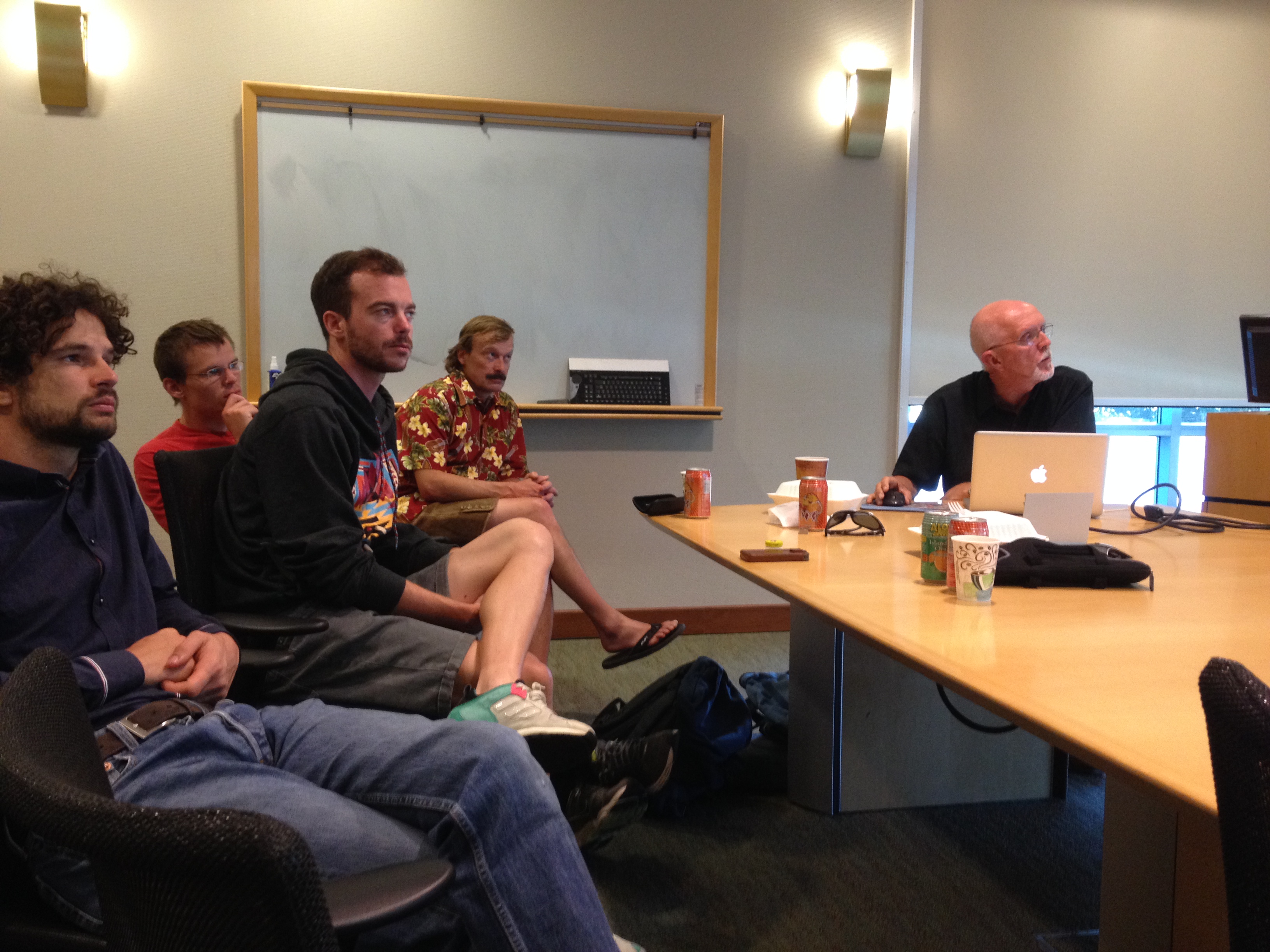
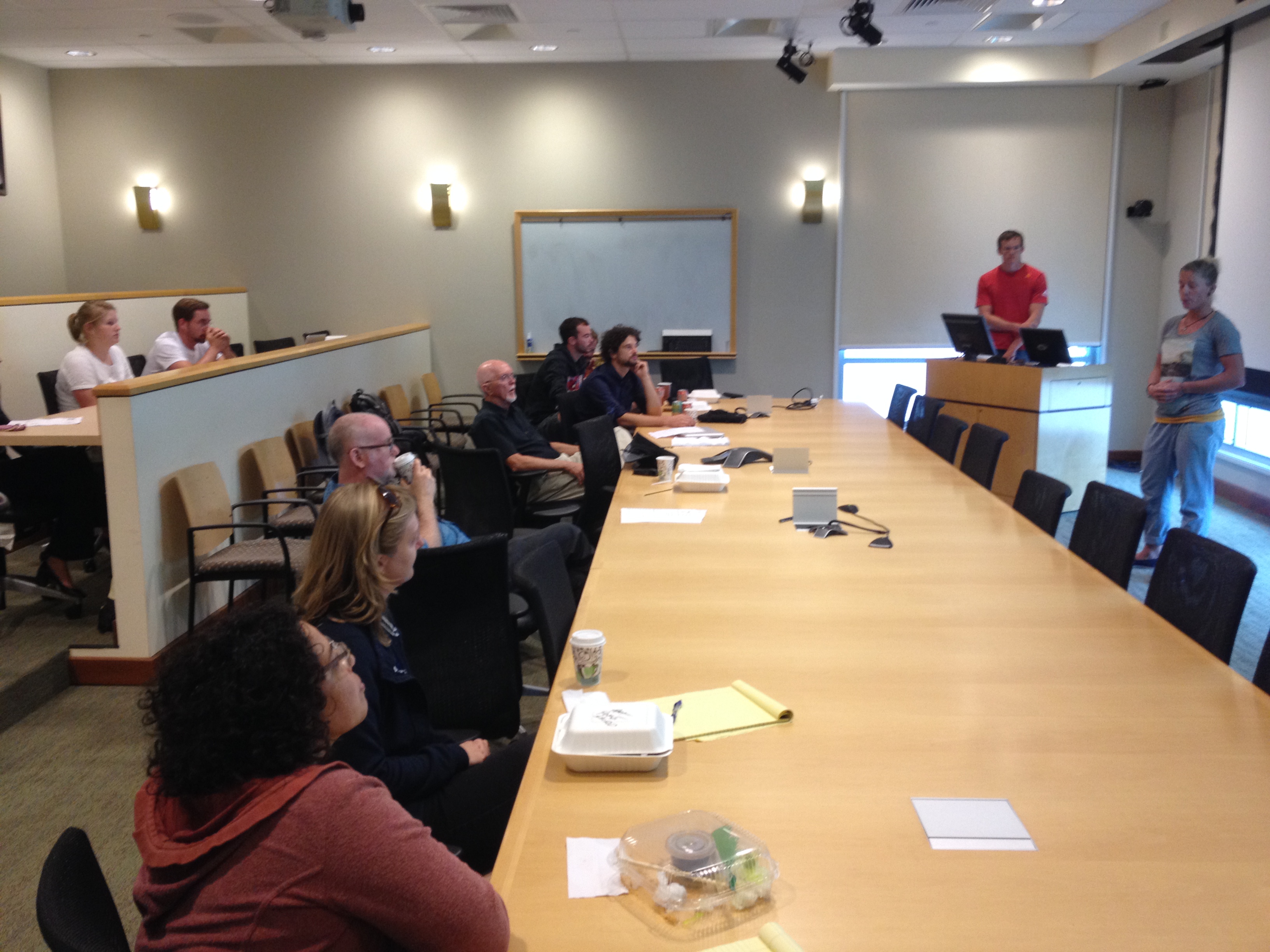
On Dec. 16th, Ralph Sohet MD PhD, chairman of the Cardiovascular research center at the Medical School of the University of Hawaii in Honolulu, Prof. em. Bruce Soll MD from Queens Medical Center in Honolulu and our group with master course students and research members of UIBK have held a very fruitful brainstorming symposium open to the public.

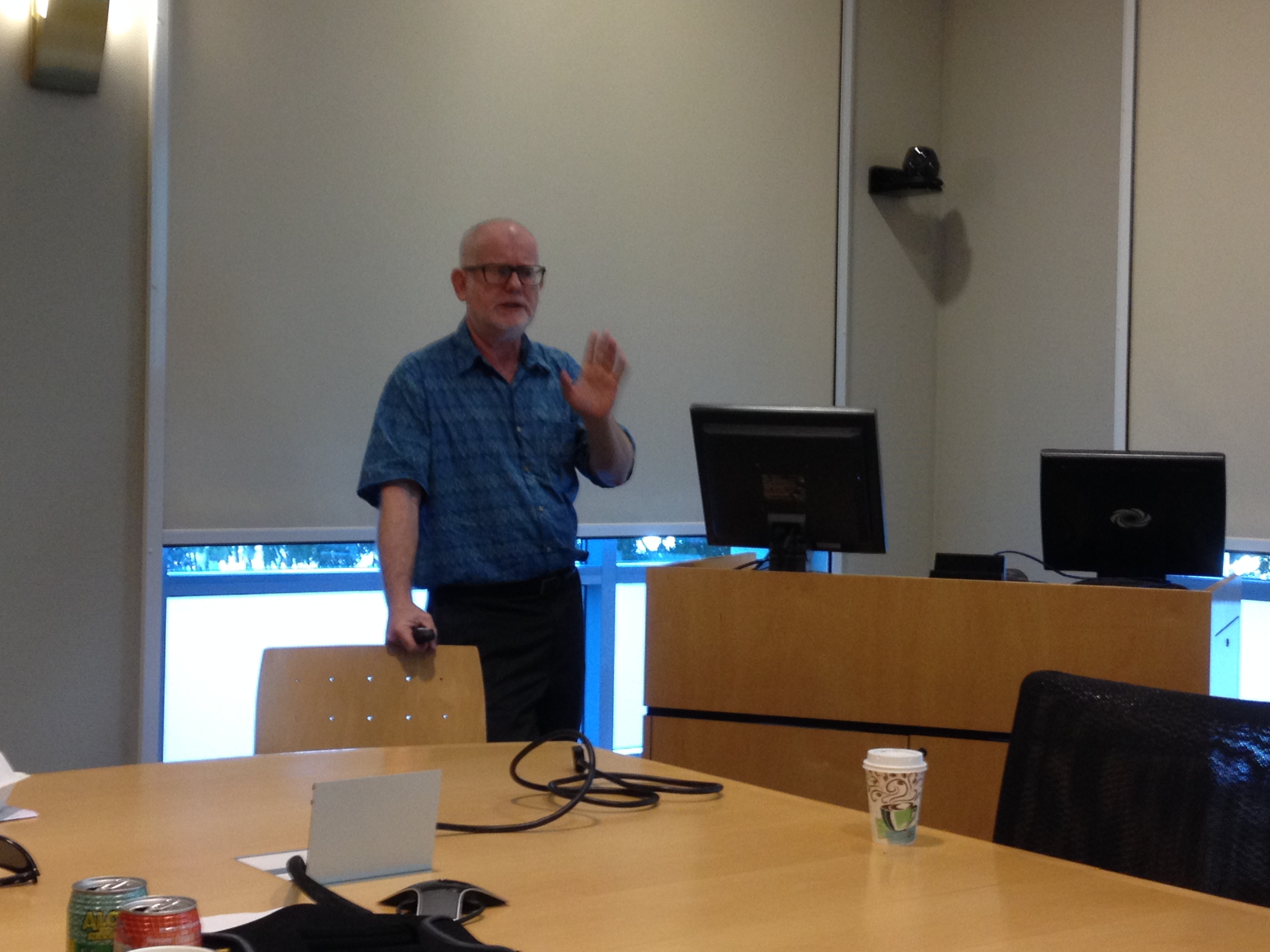
Prof. Soll reported on sleep positioning in relation to intrathoracical fluid in patients with heart failure. Data from the publication in Sleep 2009 and new data from his coworker. Prof. Sohet reported on his work  of  doxycyclin take way triggered extended HIF function in mice hearts and how micro RNA of gene C19 can adverse this extended hypoxic effect. In the far future maybe one possible intervention on hypoxic human hearts.

Our group reported about cardio rehabilitation in geriatric patients in moderate hypoxia (Stephan Pramsohler), the study protocol of the Mauna Kea normobaric-hypobaric hypoxia comparison study (Linda Rausch and Matthias Fries), cardio events in scuba diving (Nicolai Szenlenzcy) , cardio events in alpine skiing (Lukas Höllriegl), Chronic Hypoxia in Chilean Mine Workers (Maike Huth), Ergospirometry with forced steps at 7000m altitude and at Everest base camp (Hanno Fröhlich), the life of Hermann Buhl and Hif and fat metabolism (Nikolaus Netzer).

Long and active discussions followed each presentation and left the feeling that every participant really profitted from this half day brainstorming symposium.

N. Netzer


IMG_2572 IMG_2569

Last study leg not performed. Due to successful third leg no change in study outcome.

The last of the planned four study legs has not been performed. This is fortunately not harming the outcome of the main parameters of the study protocol: 1. Comparison of shape of flow volume curve in normobaric and hypobaric hypoxia. 2. Comparison of VO2max ml/kg 3. Comparison of SaO2 values and Lake Louise Score during hike (hypobaric) and simulated hike (normobaric), because all measurements already worked fine on the third leg (hypobaric hike on Mauna Kea).  The last leg was to prove if an overnight stay at a moderate altitude of 2000-2800m would change outcome on some of the parameters based on a new theory that already a few hours at moderate altitude deliver enough acclimatization.

After the third leg there was some argueing with administrative officials of the Mauna Kea UH administration due to a ranger intervention transporting three study volounteers down from summit to our second parked car at the visitor center, because they seemed mountain sick. Therefore Mauna Kea UH administration did not allow us to stay overnight near the visitor center at 2800m and the state park camp site at 2200m was closed. A plan B to stay at 2200m at a parking spot near the start of the road to the Mauna Loa weather observatory, first agreed on by all participants, failed because three study members did not volounteer on the actual day and performing the leg with just three volounteers wouldn’t have made sense. N.Netzer


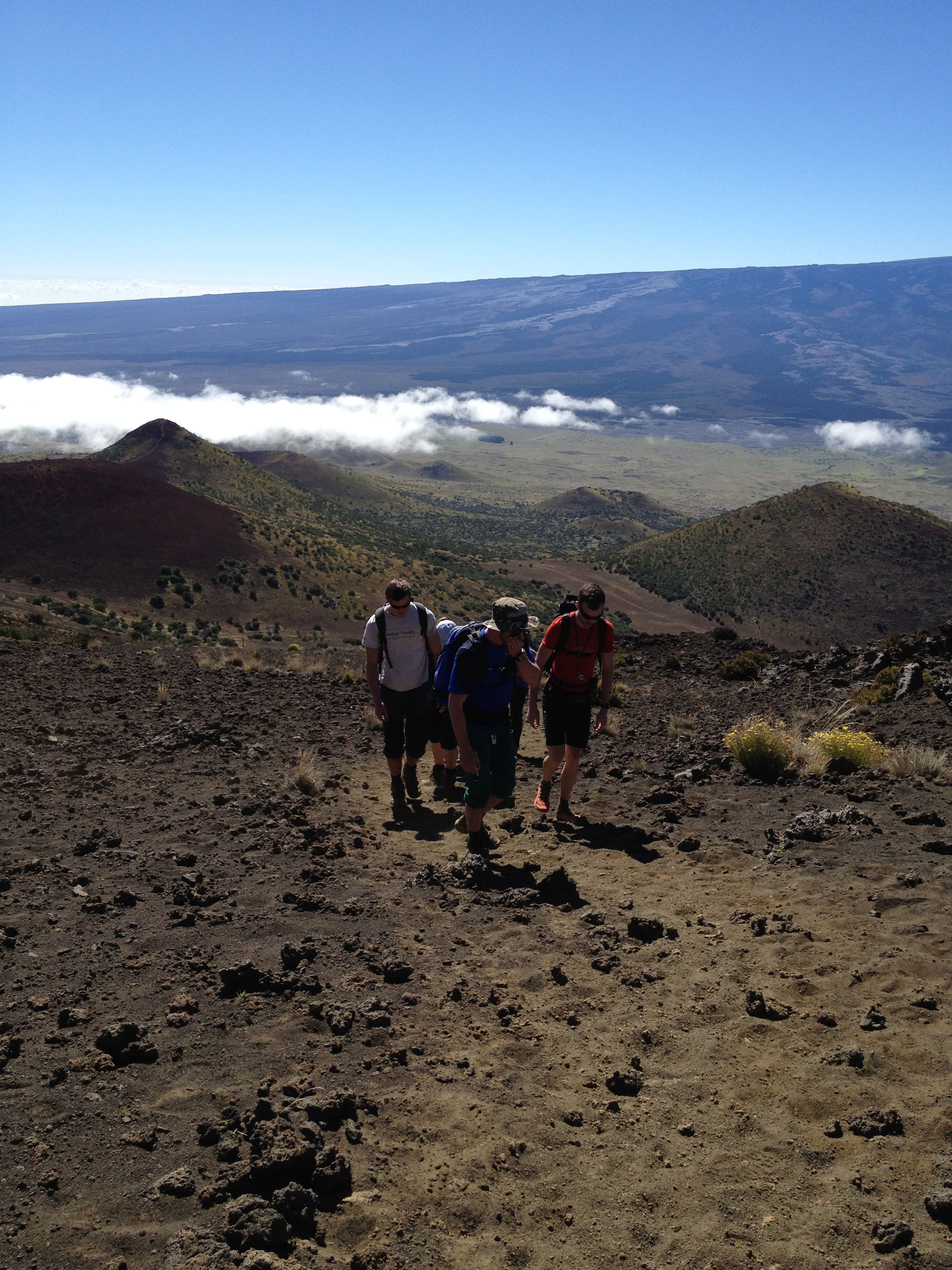
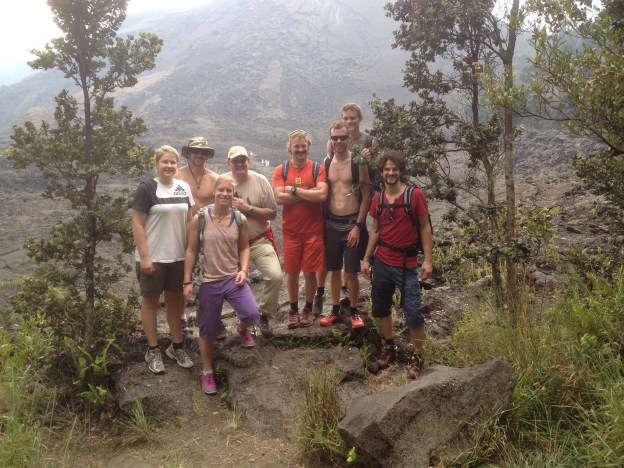
Picture: Students at 3200m on Humuula trail on third study leg. Mauna Loa in the background

IMG_2540

A big “thank you” to our supporters Vice Dean Inge Werner PhD Ibk, Ralph Sohet MD PhD at UH, Blue Wilderness Waikoloa, Blue Sub Rosenheim and George Kaimana

I would like to express my great thanks to those, who supported the study and the trip.

Within the faculty and division of sports science at Innsbruck I would like to especially thank vice dean Inge Werner and my mentor Martin Burtscher for making the excursion and master course possible. Of course a big thank has to been expressed to the chairman of the Division of  Cardiologic Research at UH in Honolulu, Ralph Sohet, for putting up a symposium, which also helped to make the excursion a master course with presentations for the students and adding extrem more educational value. A big “thank you” also to his boss,  dean Jerris Hedges, who gave his ok and made all possible.

Thank has of course to be expressed to our sponsors, Blue Sub Rosenheim supported us with a value of 250€ and Blue Wilderness in Waikoloa with an equal reduction in rental fee.

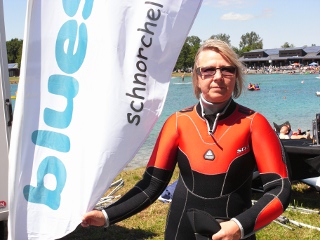
Students were impressed by Blue Sub and it’s owner Marianne, with her authority on scuba gear, diving dicipline and cold water diving.

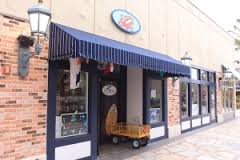
Dave and Denise and their team from Blue Wilderneess, located at Waikoloa’s Queens Market, are always helpful and try to fulfill even difficult customer needs. The often sublime arrogance, with which some Pro’s treat recreational divers in other dive shops, is a no go at Blue Wilderness. I was absolutely happy, when Blue Wilderness opened in Waikoloa, making it easy and relaxed to return dive tanks after dives at Kohala’s beautiful coasts. Their 25 tank card makes it easy at a great price for the avid diver to use great shore dive days with low swell or do a different activity on a day, when diving would be somewhat turning up and down your stomach (what is rare in December).

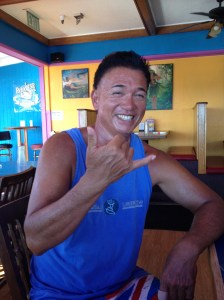
Finally George Kaimana, native and at least a quarter real Hawaian descent, showed us what real Hawaian hospitality means. George took the students and my folks stand up paddeling (if one becomes tired it should be renamed knee or sit paddeling) serveral times and showed us the Spinner Dolphins, Manta Rays and Whales near Kona harbour pier. It was great. We also have to thank George for gratious gifts, like coffee from his own coffee plantation and lunch invitations. George Kaimana grew up on a coffee plantation, but then took coffee farming to a academic level after visting college in Hawaii and courses at Cornel University’s Hawaian Educational program. He now manages coffee plantations not only in Hawaii but also in many other areas of the world. For this job he doesn’t have to travel much. Modern communication makes it possible to advise submanagers at other plantations to follow George’s advice via Skype or email accompanied by pictures and videos. If these activities aren’ t filling his day, George works as life guard on Kona and Kohala beaches and he bodygards VIP’s. He can’t talk about his customers but gave us a hint that two German supermodels were among them. Well, I only know two and so I am guessing that Claudia and Heidi made it to Big Island meanwhile.

Pictures: Prof. Ralph Sohet, Marianne from Blue Sub, Blue Wilderness Store at Waikoloa, George Kaimana

IMG_2574Exif_JPEG_PICTUREimagesFGNAO5U5 IMG_2650

Our day off…

Maike and I were stand-up paddeling with some dolphins today (about 20). A really nice local guy, George, took the lead and showed them to us at Kona Beach. We were paddeling with them for about 4 hours. Now preparing for the night on the mountain site in a tent, before it goes up again to the top of Mauna Kea in the morning 🙂 10858585_10203548807786719_6871055902119731758_n

Open Water Diver courses finished

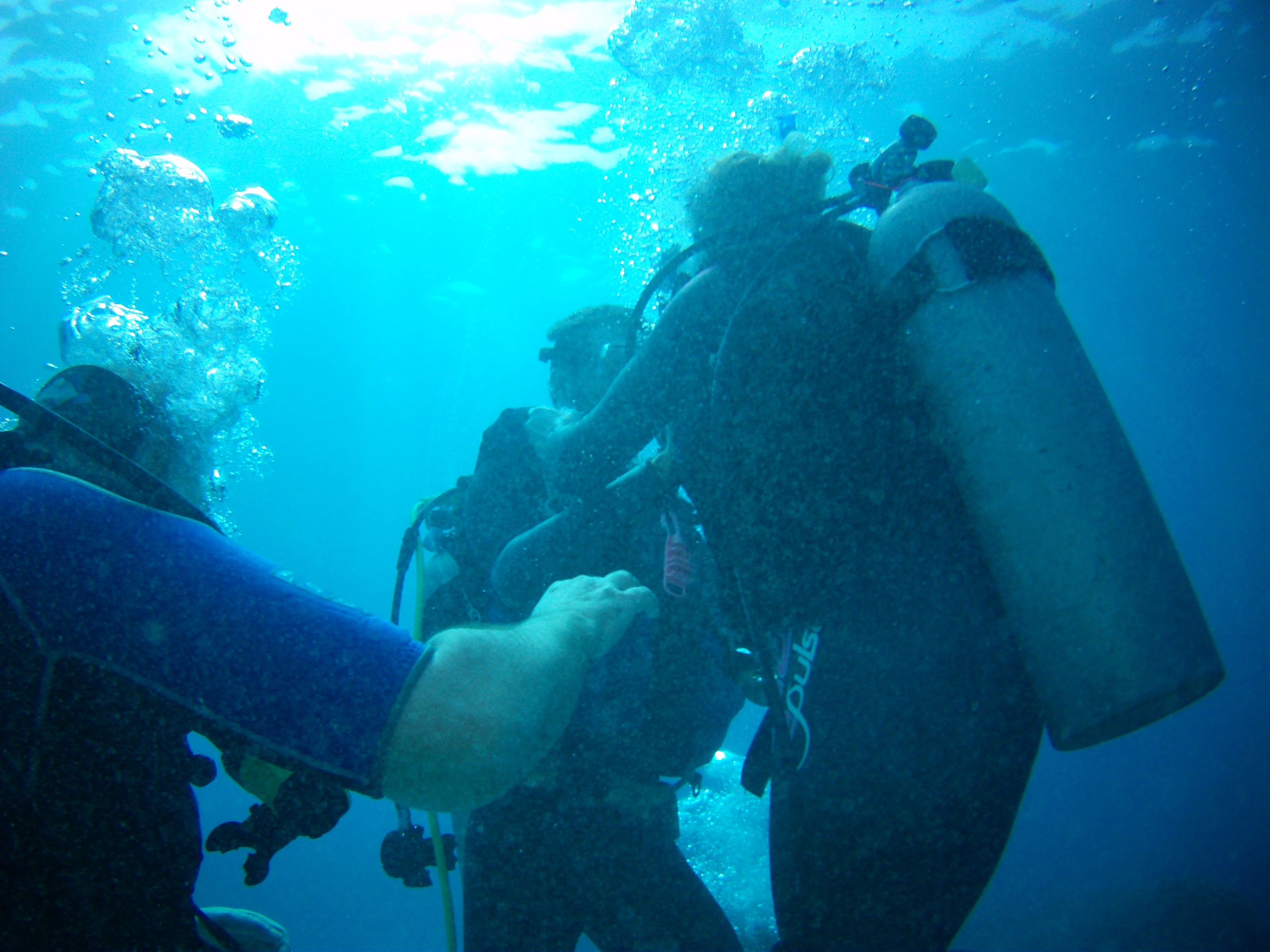
A part of the master course is to use the intermediate deacclimatization between study legs on Mauna Kea for earning the Padi OWD with instructor Dr. Netzer (PADI OWI 955155). Physiology and medicine of scuba diving are also part of the course program titled ” understanding hypoxia from bottom to top”. Regular scuba diving theory will be extended by special medical, technical and psychology knowledge in an extra weekend in Innsbruck end of Jan 2015. Famous scuba diving journalist and long term “Tauchen” EDIC Heinz Käsinger will be teaching on this weekend. The OWD course started already together with the normobaric simulation leg of the Mauna Kea hike in Bad Aibling. There, also between study legs, the pool sessions took place and the theory lessons together with the written test. Now, here on Big Island the free water dives took place at Mahukona and Honaunau. Two days ago every student had sucessfully finished its OWD. Now at Puako house nr 40 and at mile marker 4 in Kona the first free dives made a lot of fun with a close by swiming Manta and many turtles under water. Fun Scuba! Pictures show first free water dive at Mahukona and exercising the Cesar at Honaunau

DCIM100MEDIADCIM100MEDIA

uibk hbi mauna kea study group

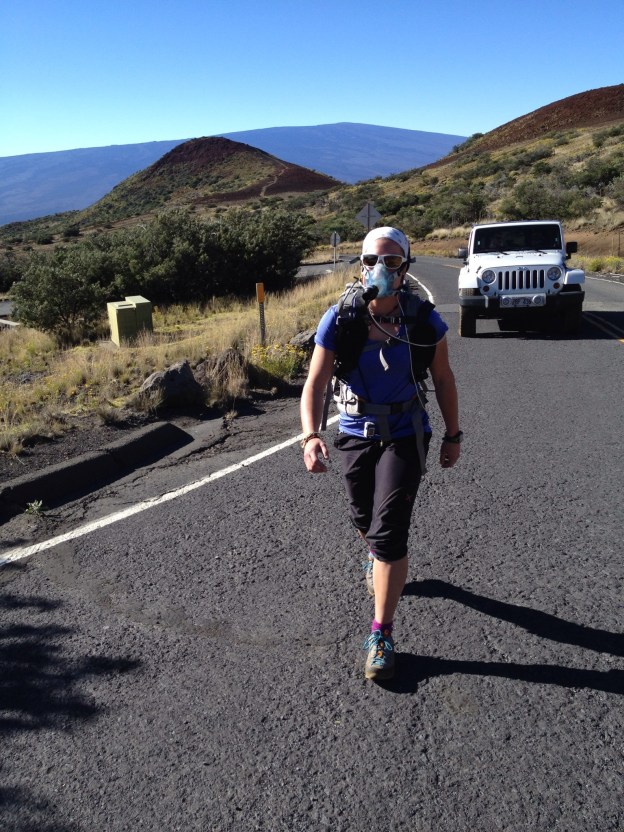
On day 4 of our study group-master course excursion we started with the field study leg of our hypobaric-normobaric comparison study at Mauna Kea. The primary outcome parameter of our comparison between the hike to Mauna Kea summit in the field and simulated at the Hermann Buhl institute in Bad Aibling is the shape of the flow volume curve and the single breath to breath comparison in the ergospirometry. On the picture you see one of the subjects with the oxycon mobile at the start point of the hike near the Mauna Kea visitor center at 2800m altitude. The ergospirometry has been repeated in each of the six subjects at the summit at 4169m altitude after the standardised hike in six hours plus one hour breaks.
Secondary parameters are the oxygen saturation and heart rate as well as Lake Louise score at several time points during the hike.
The conditions on this first field day were unexpectedly tough with constant sunshine, no wind and unusual temperatures at all altitudes above 85degrees Fahrenheit respectively above 26-27 degrees celsius. This lead to unexpected electrolyte loss through more sweating than in the simulated hike.
Performing the ergospiro at the summit took until darkness with a beautiful sunset and clear view on the stars but temperatures dropping to 38 degrees F, 1-2 degrees Celsius.
We are thankful to a National Park UH Ranger who drove half of the group down to our second car before the last ergospiro at 7.07pm was finished.

University Innsbruck Mouna Kea Study Group

Hello, this is the blog of the Professor Netzer Master Course (scientific problem solution in sport and health) from the Sports Science Institut of the Faculty for Psychology and Sportscience at the University of Innsbruck, Austria.
In the Hermann Buhl Institute for Hypoxia and Sleep Medicine Research in Bad Aibling we started our master seminar and the Mouna Kea Normobaric-Hypobaric Hypoxia Comparison Study 5 weeks ago. We simulated the climb from the start of the Mouna Kea trail at 2800m to the top at 4169 meters on a treadmill in normobaric hypoxia, one weekend without a climatization night at 2800m and one weekend with an acclimatization night. Now on Dec. 8th we arrived in the Big Island to perform the study protocol in hypobaric hypixia on site at Mouna Kea.

Continue reading